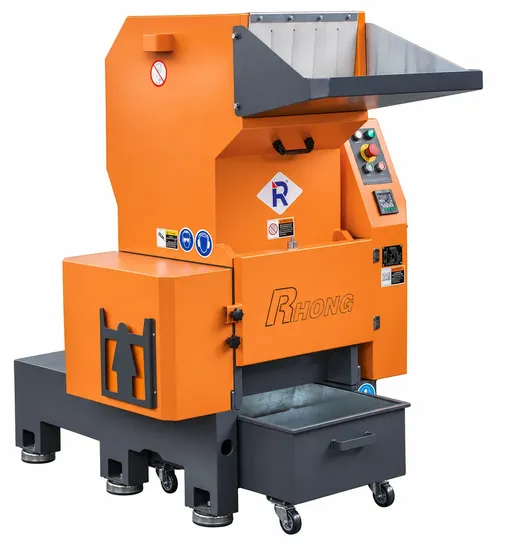
RG-26E
General-purpose plastic granulator
Cut sprues, runners and production offcuts into regrind for a planned recovery process.
View details for RG-26E General-purpose plastic granulator
RG-26GQ
An enclosed RG granulator for molding scrap where the workshop layout and noise requirements influence equipment selection.
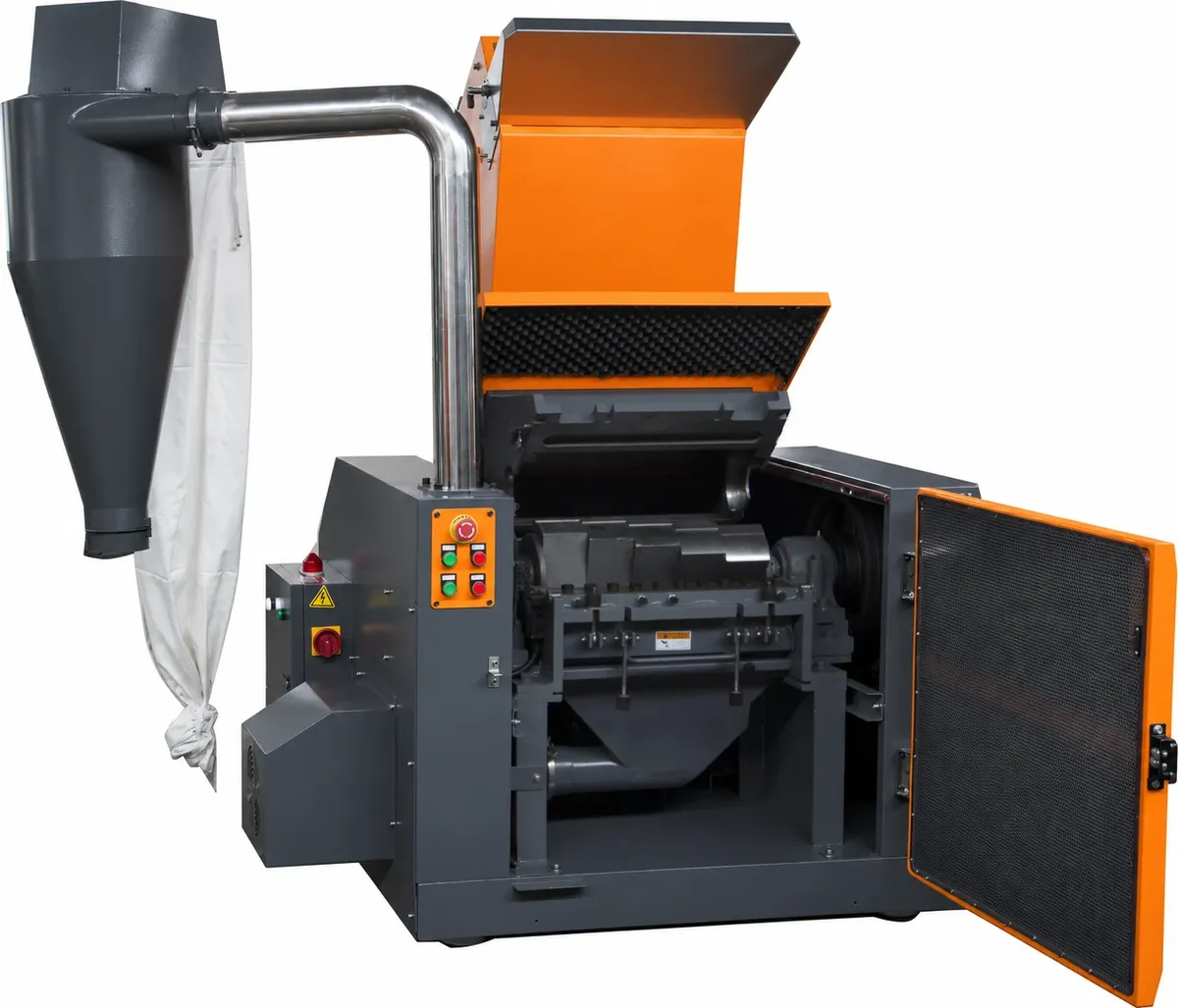
The RG-26GQ is the enclosed option in this granulator range. It processes molding scrap such as sprues and runners. The enclosure is relevant when you are planning a scrap-processing area within a working production floor.
Choose the installation position with material movement in mind. A unit beside a molding machine and a unit receiving scrap from several machines have different feeding, collection and access requirements.
The name describes the enclosed machine; it does not mean silent operation. Any noise value used in a purchase decision should identify the exact model, material, operating condition and measurement arrangement. Compare those conditions with the limits or working conditions at your site.
Send the available floor space and a simple layout showing the feed point, regrind collection and nearby equipment. Allow the proposed installation to be reviewed for operation and maintenance access.
Reference data from RHONG’s published catalogue for the named variants below. Confirm the current specification and options in your quotation.
| Model | Rotor speed (rpm) | Catalog screen aperture (mm) |
|---|---|---|
| RG-2640GQ | 560 | 10 |
| RG-2650GQ | 560 | 10 |
The screen aperture is the listed catalogue configuration, not a guarantee of every particle’s size. Other configurations need to be specified in the quotation. The acoustic enclosure does not mean silent operation; no numerical sound level is stated.
The scrap still determines the cutting requirement. Include polymer type, photographs, maximum piece dimensions and required output. The RG-26E and RG-56E provide other configurations to review with the same inputs.
Use the granulator inquiry guide to prepare material and installation details before requesting a quotation.
The GQ catalogue includes RG-36GQ alongside RG-26GQ. Their enclosed central-granulation layout includes blade and screen access and hopper-opening equipment. Use the separate RG-26GQ and RG-36GQ tables for the named variants; values should not be transferred between them.
Blade layouts and dedusting options are recorded separately in the catalogue. Include the full model and output-handling list when requesting a quotation. A collection cyclone, a dust-removal system and the acoustic enclosure perform different tasks. GQX references with inline sheet feeding and the low-noise QE layout require their own configuration review.
These values are published catalogue references for the named models. Confirm the current specification and included options in your quotation.
| Model | Rotor speed (rpm) | Catalogue screen aperture (mm) |
|---|---|---|
| RG-3660GQ | 560 | 12 |
| RG-3680GQ | 560 | 12 |
The listed screen aperture describes the catalogue configuration, not a guarantee of every particle’s size. No motor power, chamber dimensions or numerical sound level are specified for these models here.
Plastic granulator noise ratings: what does the number describe?
The published catalogue describes a galvanized sheet lining inside the feed hopper for RG-26GQ/36GQ. An inlet magnet can be added at the customer’s request. List the magnet separately when specifying the feed arrangement, alongside the hopper lining material.
A cleaner stream can still cost you good regrind. Compare the feed, clean output and rejects from one batch, then record both results on a printable trial sheet.
Two plastic granulators cannot be ranked by their dB(A) figures until you know what was measured. Identify the sound quantity, operating conditions and equipment included, then co…
Keep a suitable runner stream beside the press when its feeding rhythm, material identity and regrind destination fit the molding operation. Consider a central station for separat…
Use the same material, output requirement and operating conditions when comparing machines. Start with the scrap that will actually reach the feed opening.
RG-26E
Cut sprues, runners and production offcuts into regrind for a planned recovery process.
View details for RG-26E General-purpose plastic granulator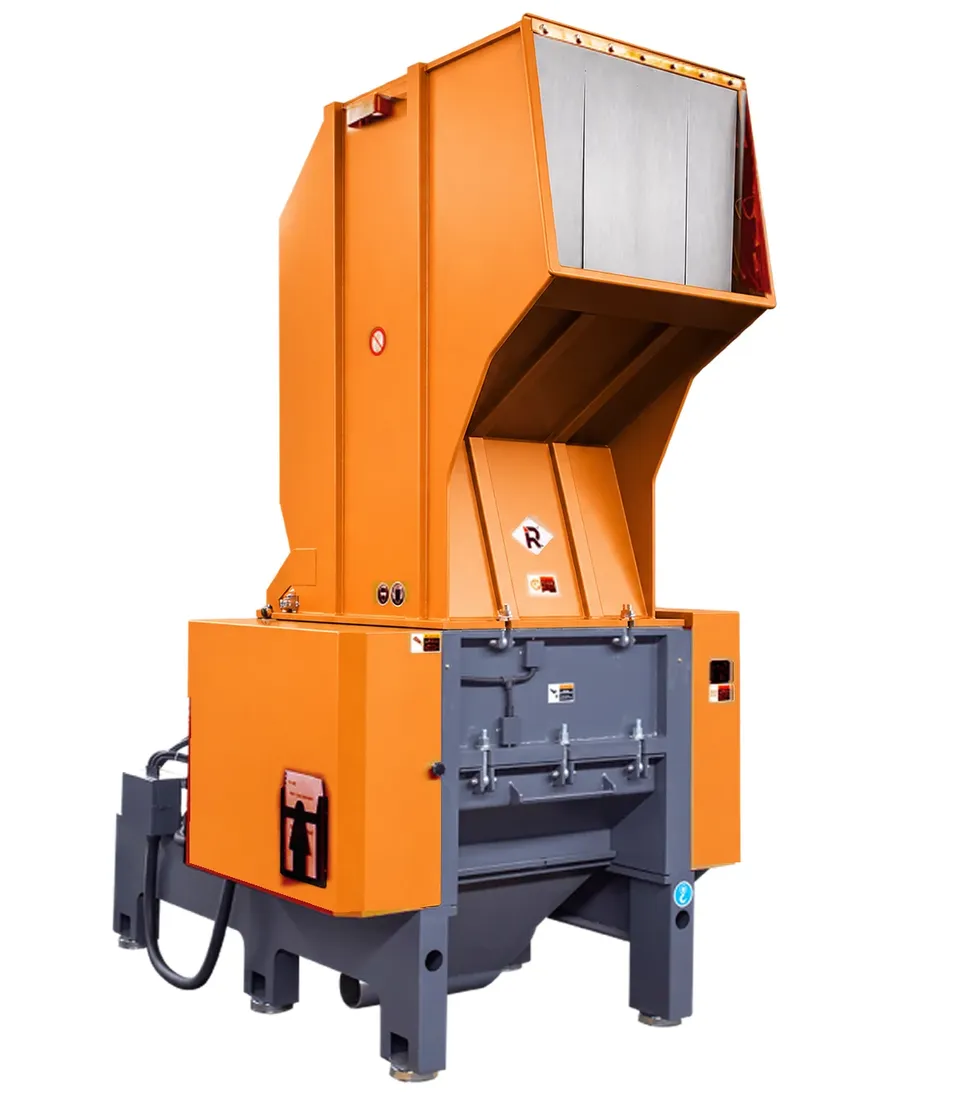
RG-56E
The RG-56E range cuts plastic parts and bulky production scrap for further recovery.
View details for RG-56E Heavy-duty plastic granulator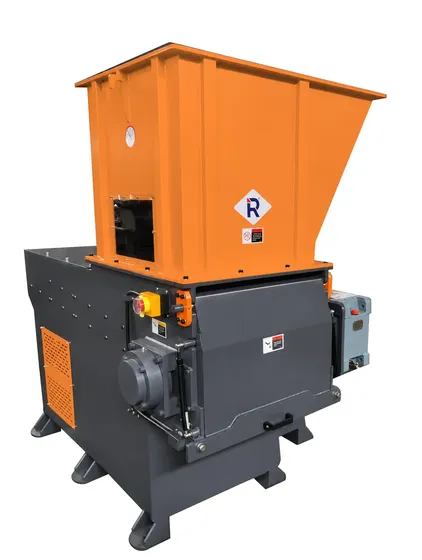
RSS series
Initial size reduction of plastic waste before the next recycling or granulation stage.
View details for RSS series Single-shaft plastic shredderSend your requirements or questions to RHONG.