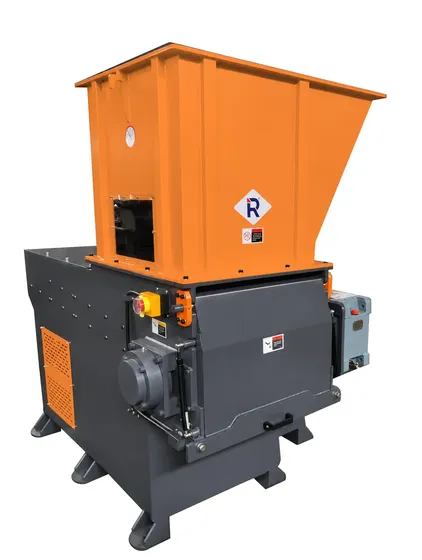
RSS series
Single-shaft plastic shredder
Initial size reduction of plastic waste before the next recycling or granulation stage.
View details for RSS series Single-shaft plastic shredder
Browse equipment for the task you need to carry out, from cutting production scrap to drying, loading and mixing resin.
Start with your material and compare the proposed configurations.
Related equipment
Comparison guides
RSS series
Initial size reduction of plastic waste before the next recycling or granulation stage.
View details for RSS series Single-shaft plastic shredder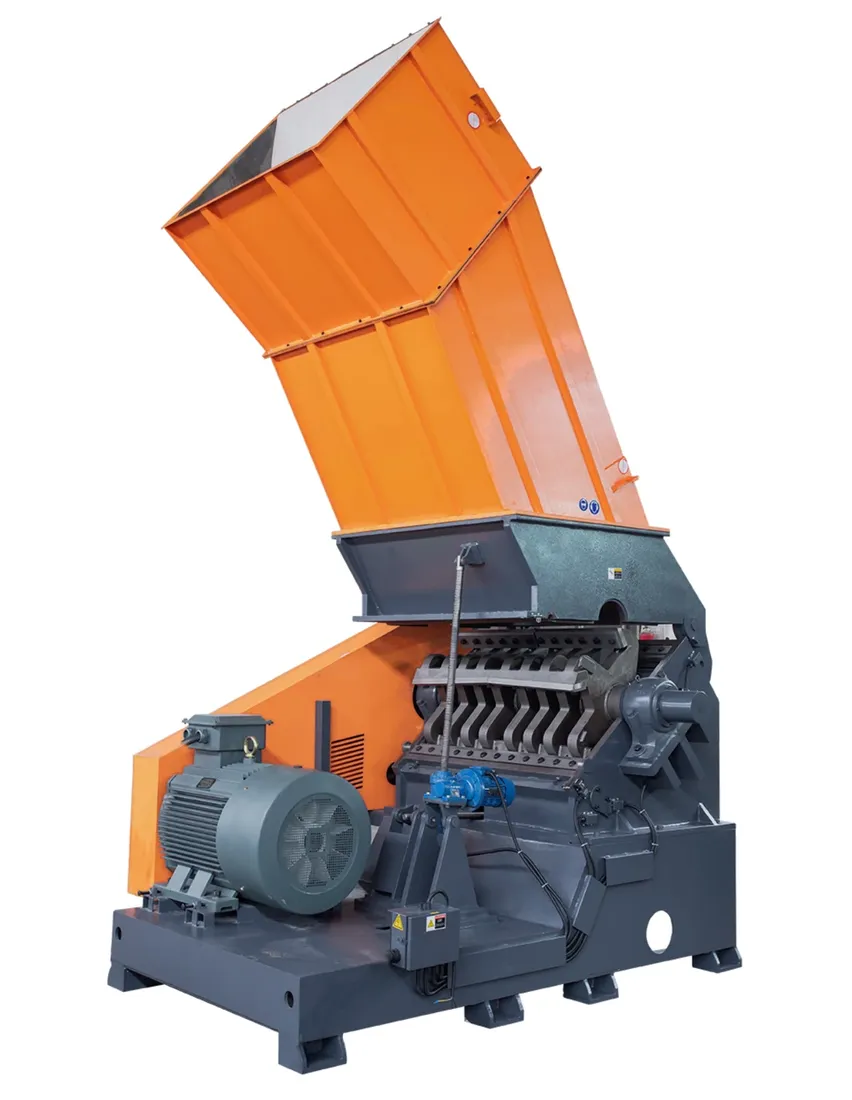
RG-36P / RG-46P / RG-56P / RG-76P
A low, extended feeding route for long plastic pipes and profiles, with larger RGP configurations also described for bulky molded scrap.
View details for RG-36P / RG-46P / RG-56P / RG-76P Pipe and profile plastic granulator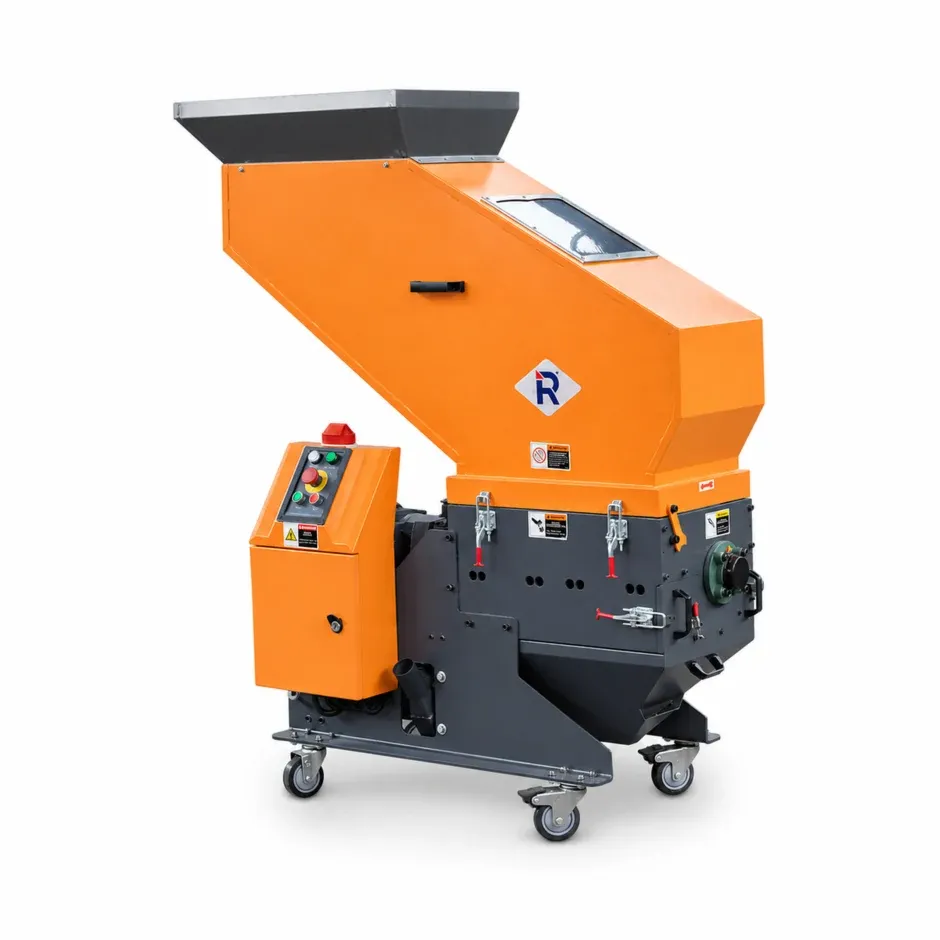
RG-18 / RG-20 / RG-23
Beside-the-press granulation of small sprues and runners, with a direct gear drive and a planned regrind return route.
View details for RG-18 / RG-20 / RG-23 Low-speed plastic granulator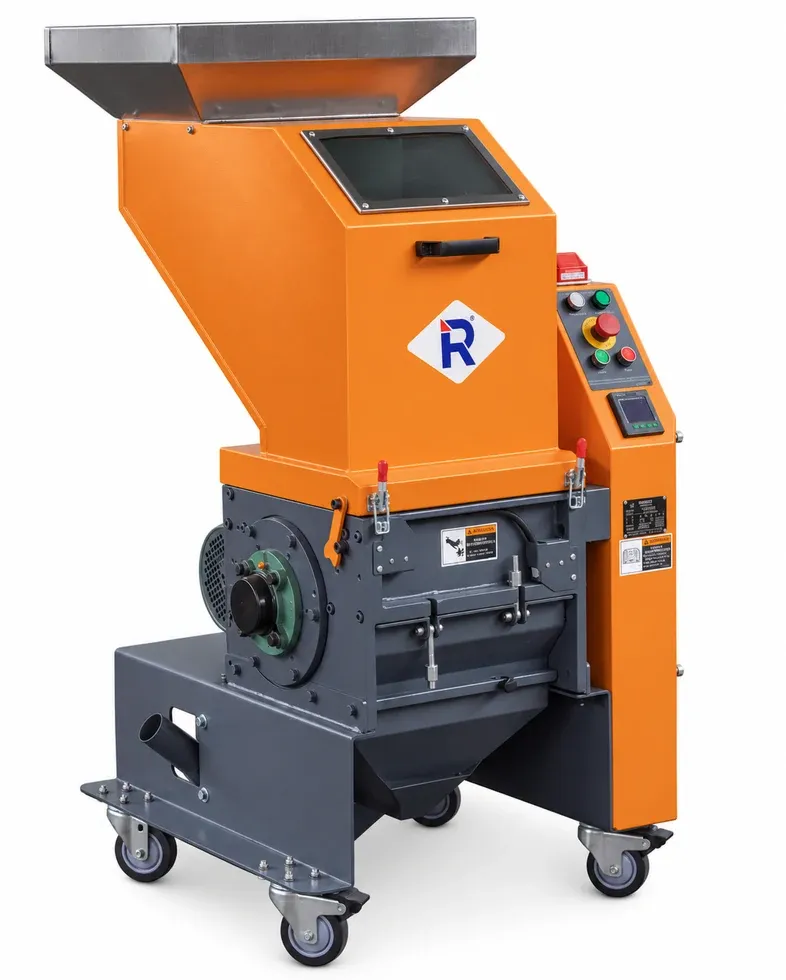
RG-16R / RG-21R
Screened beside-the-press cutting of sprues and small rejects, with collection and return configurations chosen for the molding process.
View details for RG-16R / RG-21R Medium-speed plastic granulator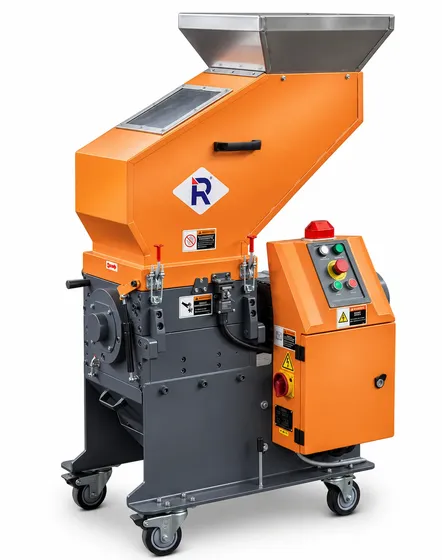
RG-27R
Slow-speed processing of small sprues and rejects using toothed cutting elements without a sizing screen.
View details for RG-27R Screenless plastic granulator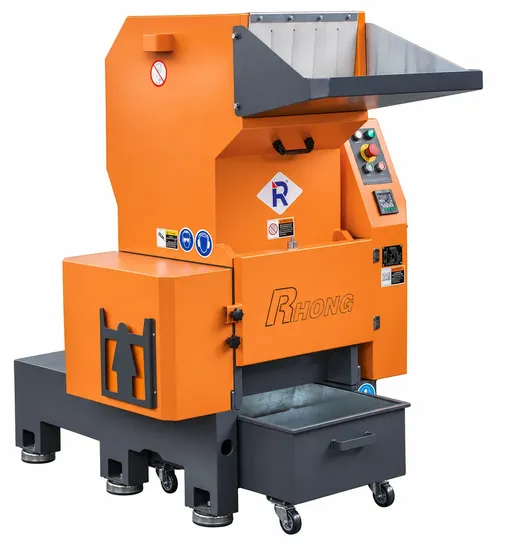
RG-26E
Cut sprues, runners and production offcuts into regrind for a planned recovery process.
View details for RG-26E General-purpose plastic granulator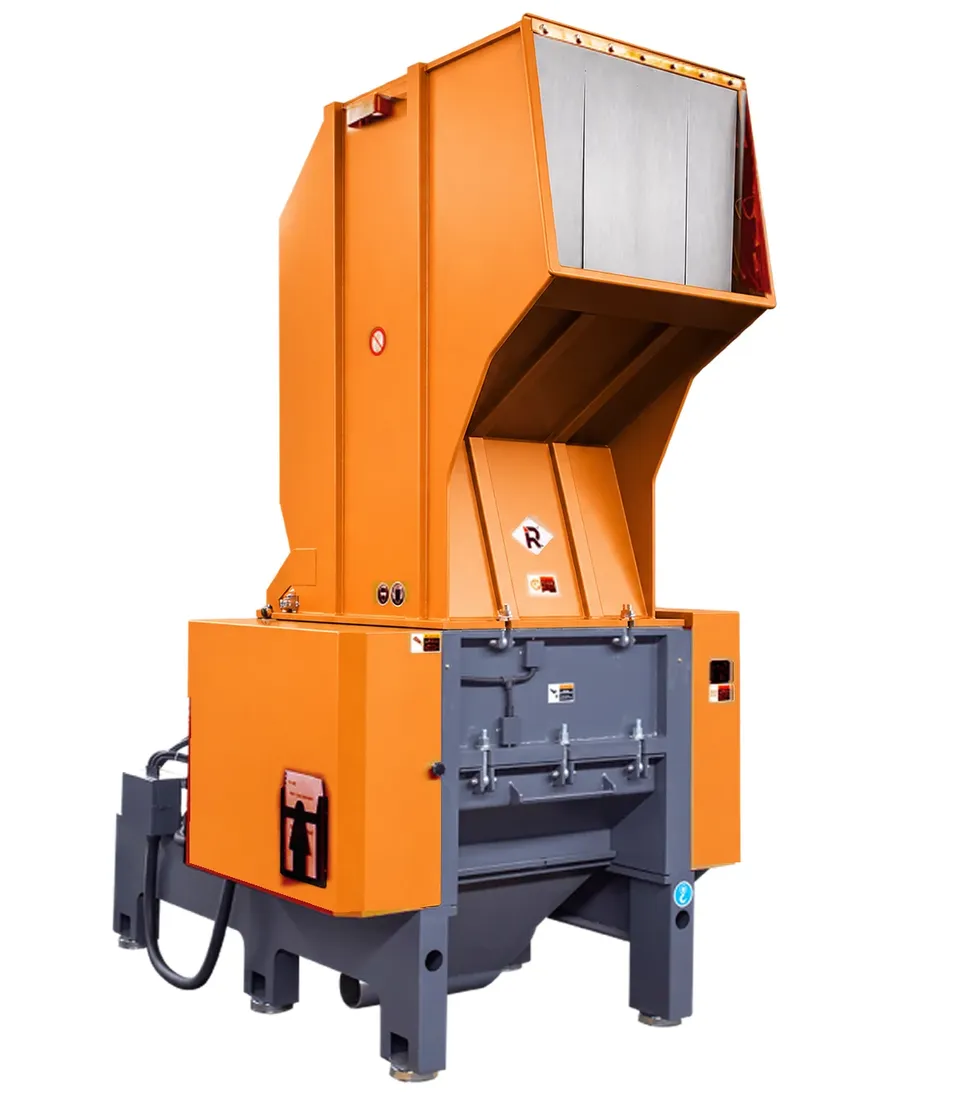
RG-56E
The RG-56E range cuts plastic parts and bulky production scrap for further recovery.
View details for RG-56E Heavy-duty plastic granulator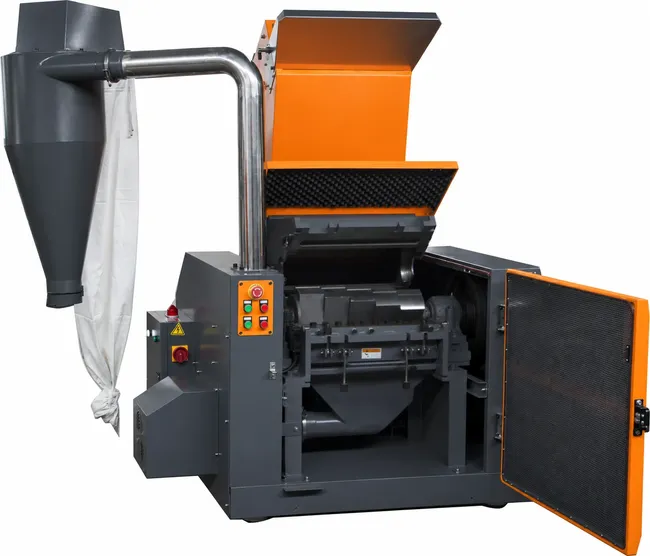
RG-26GQ
An enclosed RG granulator for molding scrap where the workshop layout and noise requirements influence equipment selection.
View details for RG-26GQ Enclosed plastic granulator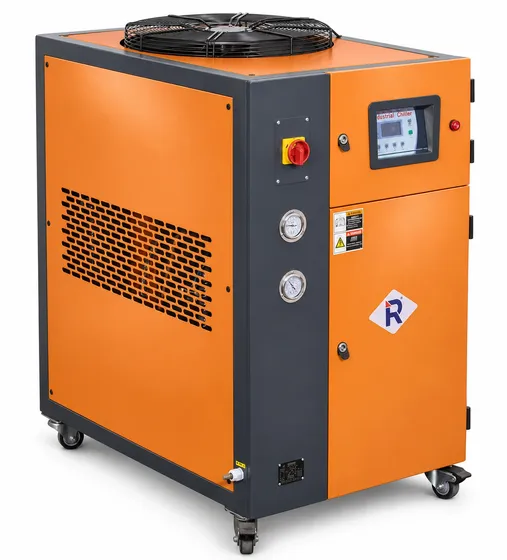
RCM-A
Process cooling for plastics production, selected against the cooling duty and installation conditions.
View details for RCM-A Air-cooled industrial chiller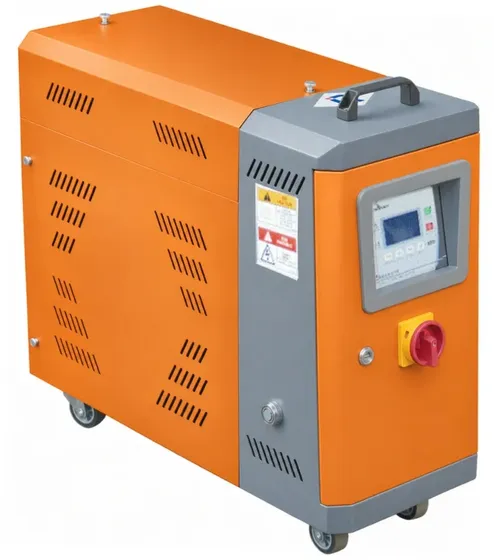
RTC-W
Water-circulating temperature control for molds and process equipment.
View details for RTC-W Water-type mold temperature controller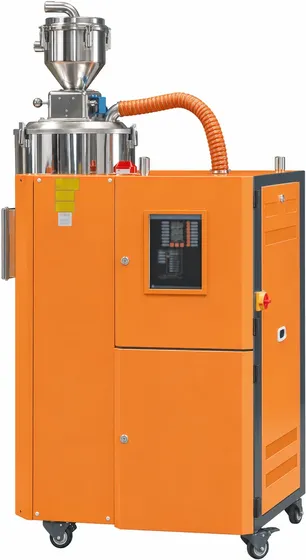
RDC
Dehumidification, drying and material conveying in an RDC resin-preparation arrangement.
View details for RDC Dehumidifying resin dryer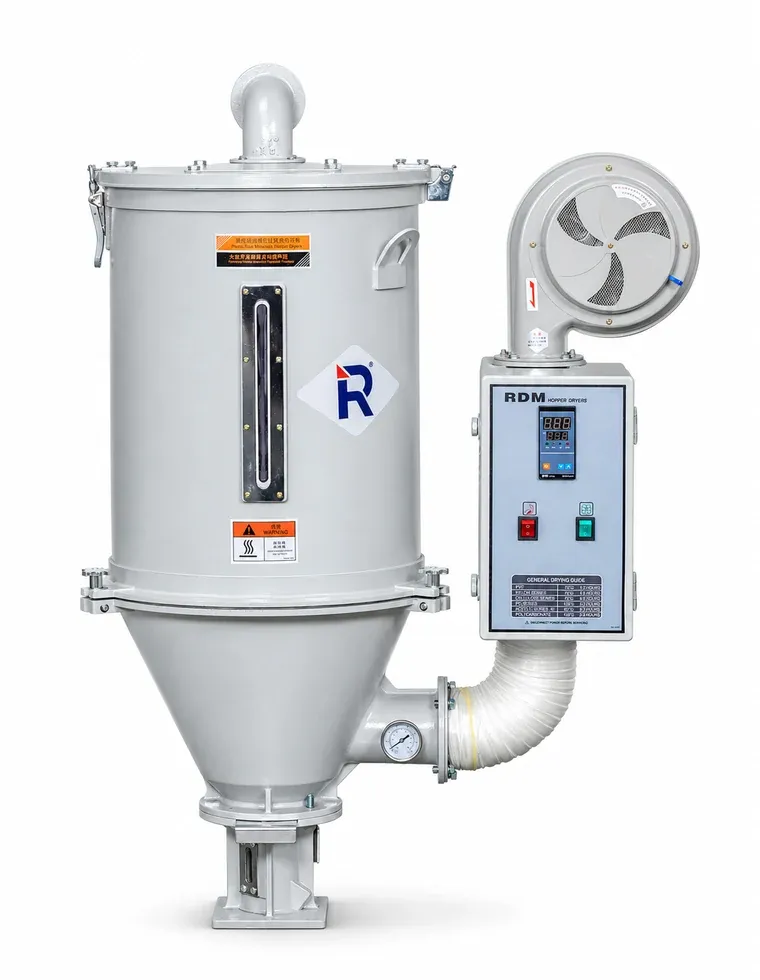
RDM
Hopper-based hot-air drying for plastic pellets before processing.
View details for RDM Hot-air hopper dryer
RAL-303
Automatic transfer of plastic pellets from a feed source to a receiving hopper.
View details for RAL-303 Vacuum autoloader for plastic pellets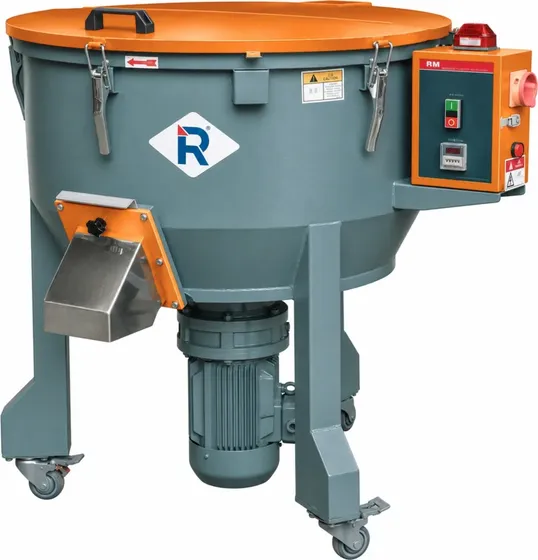
RM series
Batch preparation of plastic pellets and color masterbatch before feeding the production process.
View details for RM series Plastic pellet color mixer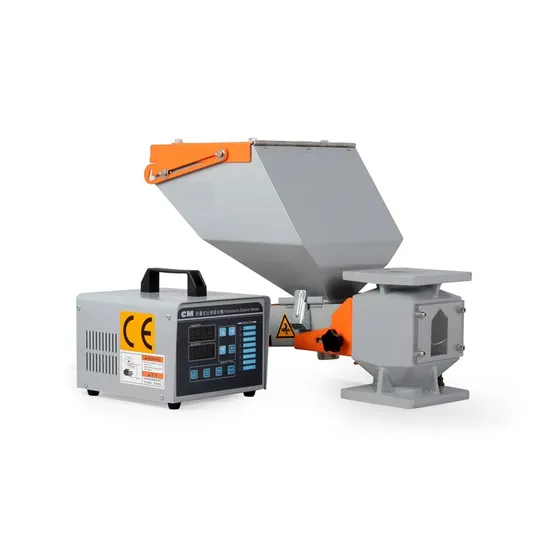
Volumetric feeding of color masterbatch or additives into a plastics processing operation.
View details for Volumetric masterbatch doser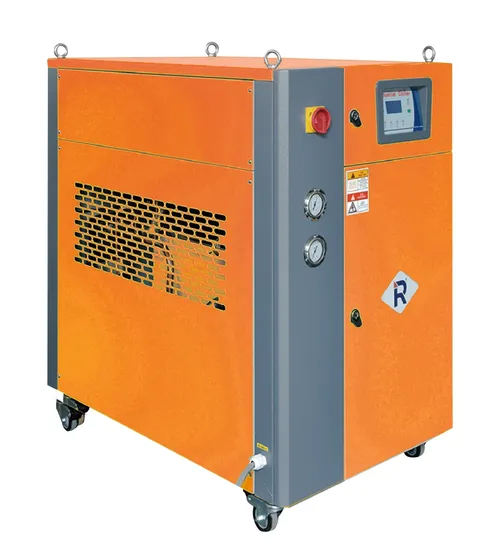
RCM-W
Process-water cooling with a water-cooled condenser and a separate heat-rejection circuit.
View details for RCM-W Water-cooled industrial chiller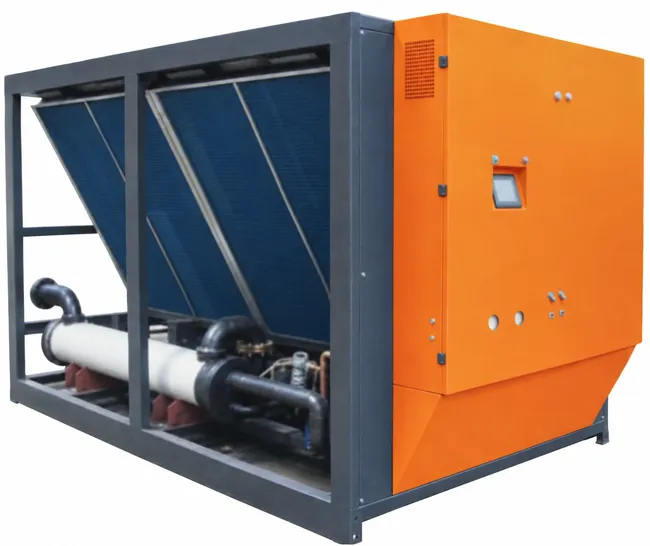
RCMC-A
Screw-compressor process cooling with heat rejected through an air-cooled condenser.
View details for RCMC-A Air-cooled screw chiller for central process cooling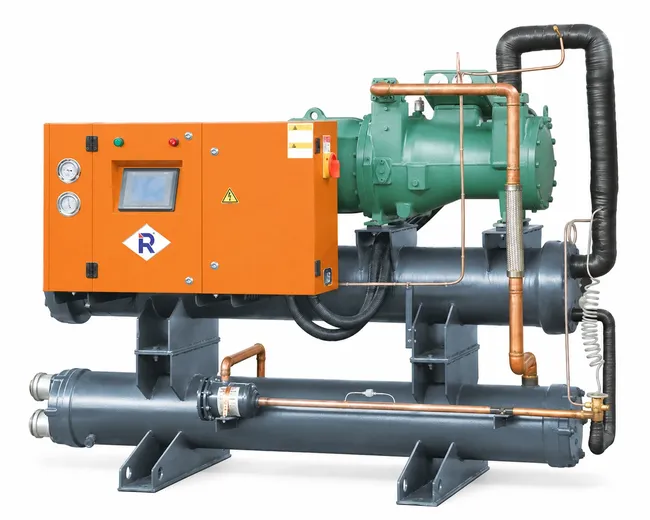
RCMC-W
Central process cooling using a screw compressor and a water-cooled condenser.
View details for RCMC-W Water-cooled screw chiller for central cooling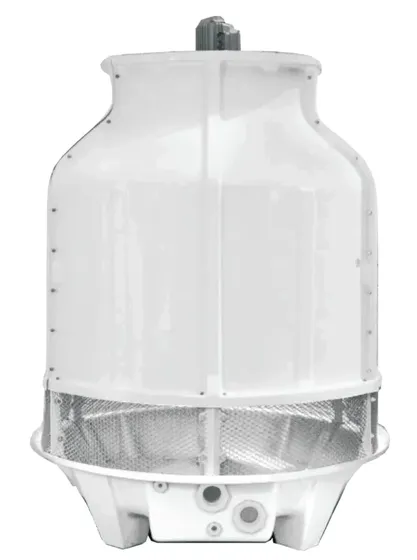
RCT
Heat rejection from a circulating-water circuit to ambient air.
View details for RCT Cooling tower for industrial water circuits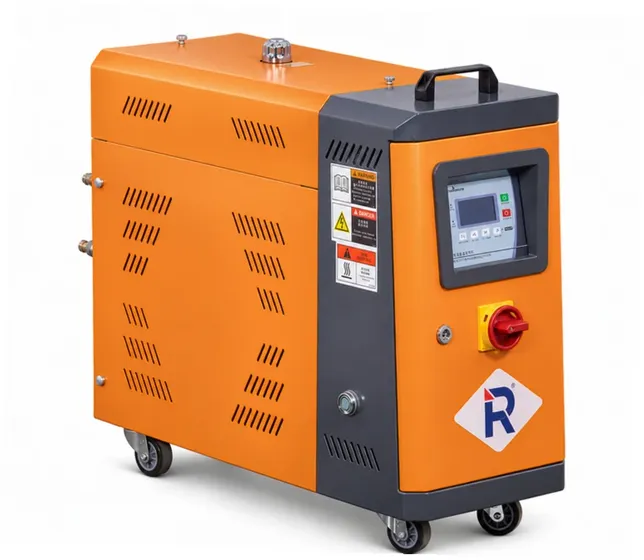
RTC
Mold heating and temperature control through a circulating heat-transfer-oil circuit.
View details for RTC Oil-type mold temperature controller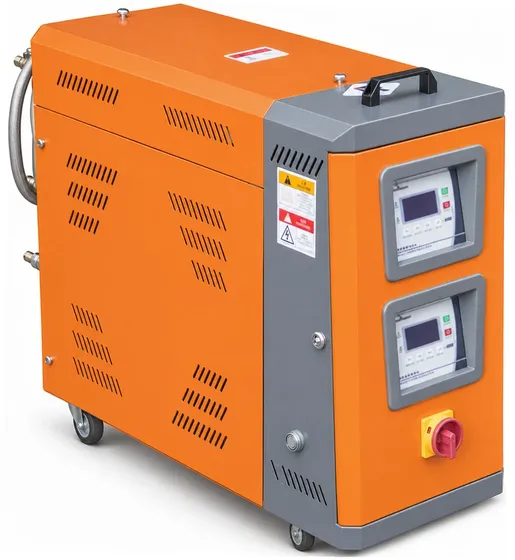
RTC-D
Oil-based mold temperature control for a dual-circuit arrangement.
View details for RTC-D Dual-circuit oil mold temperature controller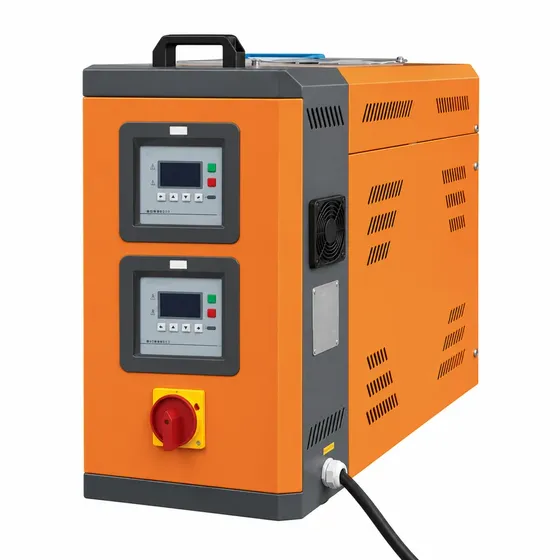
RTC-WD
Water-medium mold temperature control for separate circuit requirements.
View details for RTC-WD Dual-circuit water mold temperature controller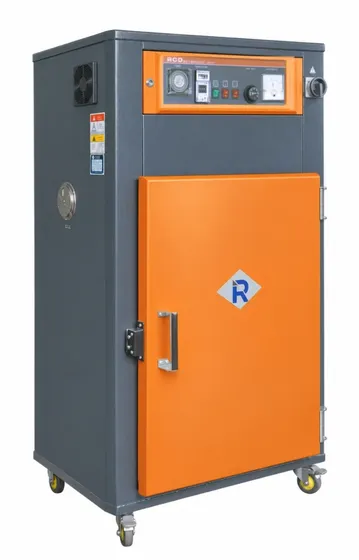
RCD
Tray-based chamber drying for small batches and material preparation during molding trials.
View details for RCD Cabinet dryer for small plastic-material batches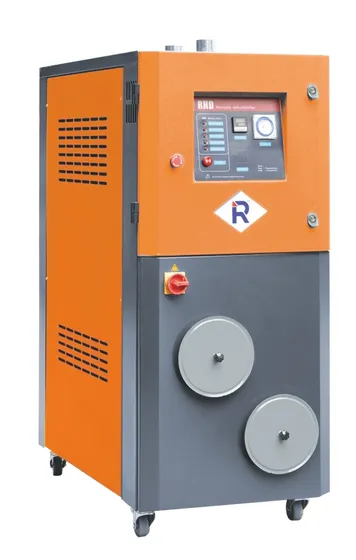
RHD
Dehumidified process air supplied to a compatible resin-drying hopper.
View details for RHD Honeycomb rotor dehumidifier for resin drying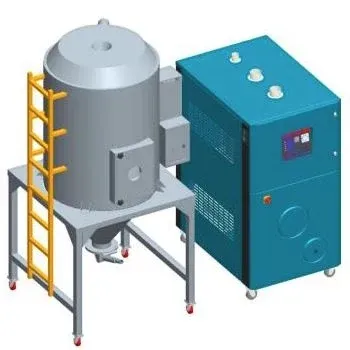
RDM+RHD
A drying-hopper and honeycomb-dehumidifier combination, with conveying selected separately.
View details for RDM+RHD Combined dehumidifier and resin dryer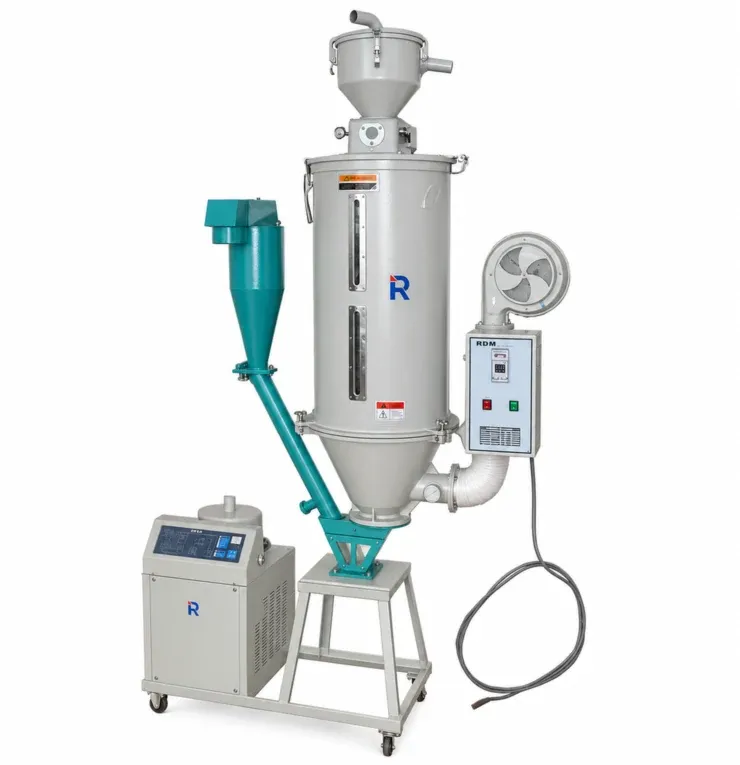
Hopper drying and automatic material loading in a combined arrangement.
View details for Combined hopper dryer and material loader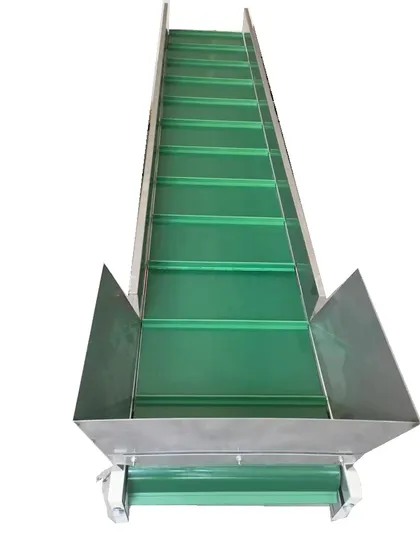
Move plastic scrap to a granulator feed point with a conveyor arrangement matched to the material and installation.
View details for Belt conveyor for plastic granulator feeding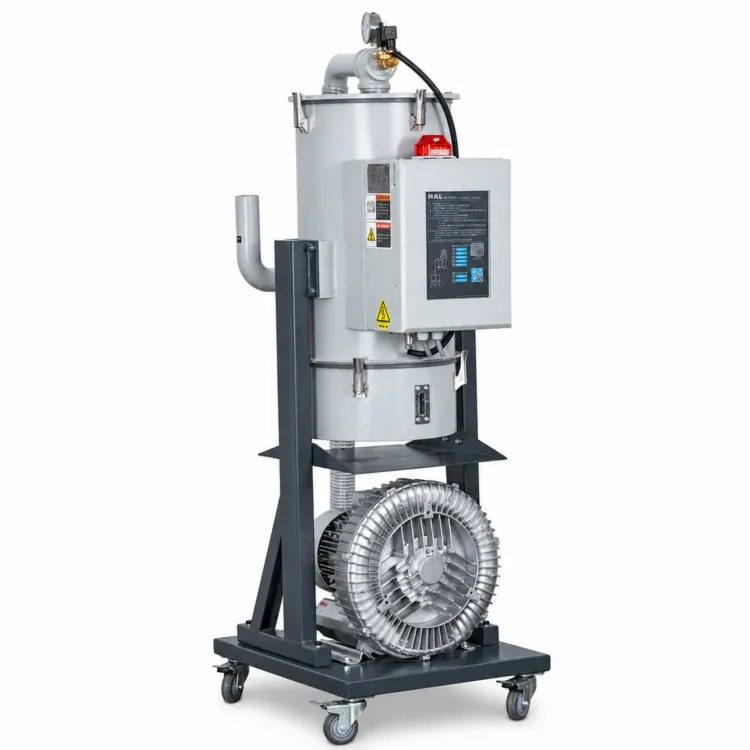
RAL-703K4
Plan pellet transfer to up to four receiving stations with the RAL-703K4 arrangement.
View details for RAL-703K4 Four-station pellet loader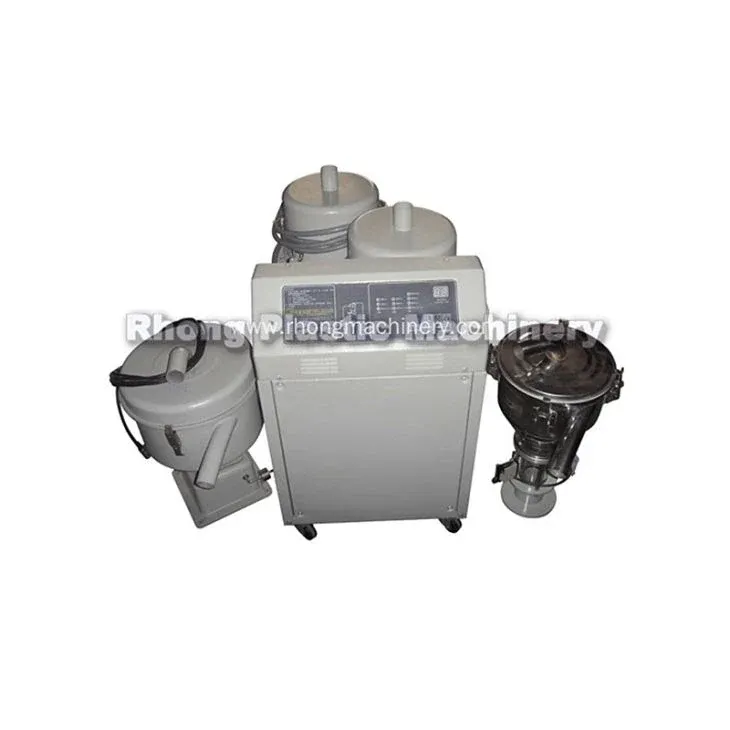
RAL-323 / RAL-523
Use one vacuum unit with two hopper receivers and review the demand at both destinations.
View details for RAL-323 / RAL-523 Two-receiver vacuum hopper loaders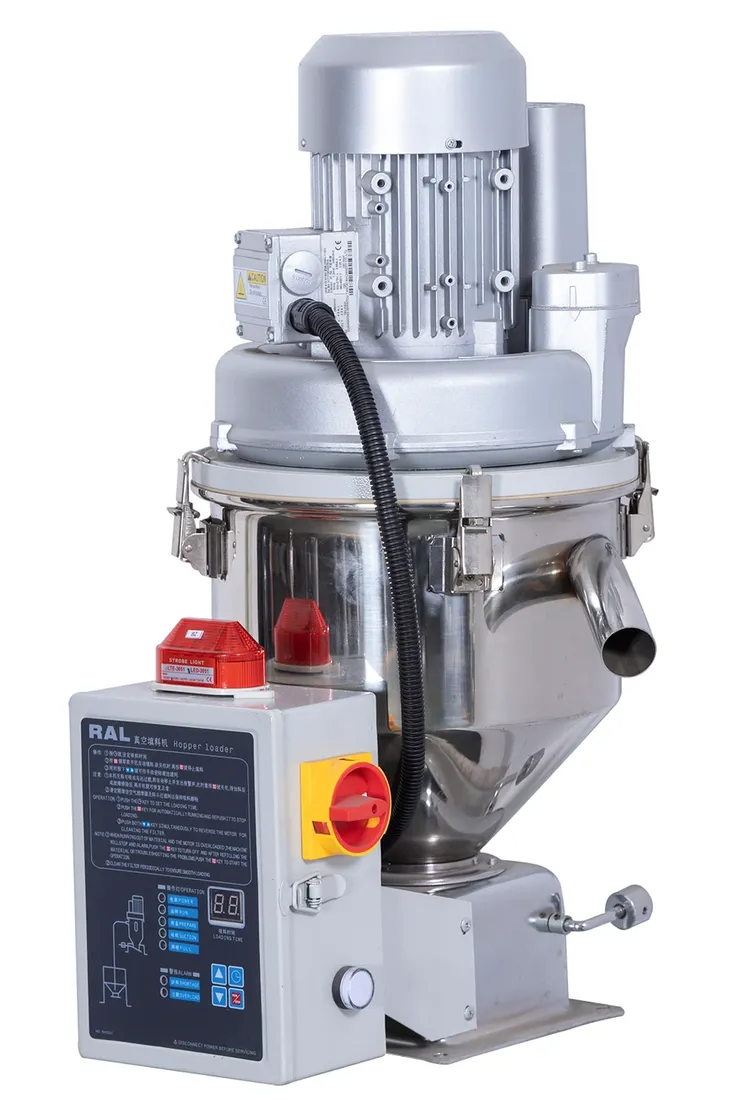
RAL-I / RAL-U / RAL-U2
Machine-side pellet loading with the vacuum unit and receiving hopper in a self-contained arrangement.
View details for RAL-I / RAL-U / RAL-U2 Self-contained vacuum pellet loaders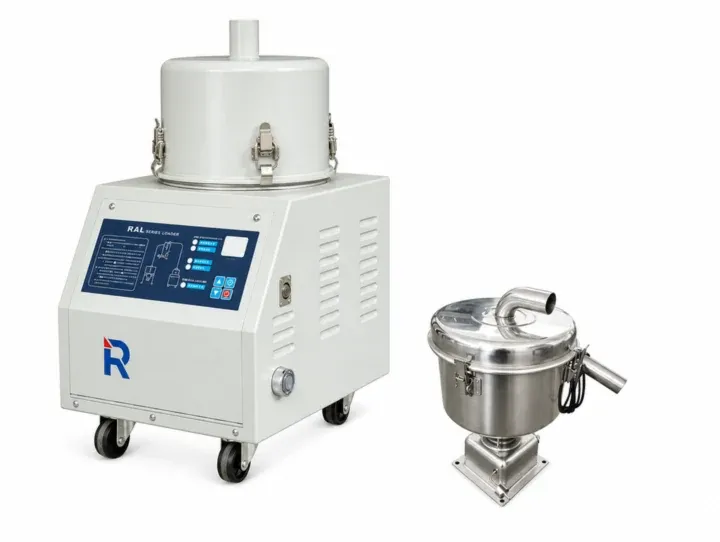
RAL-300
Transfer plastic pellets with a separate vacuum unit and receiving hopper in the RAL-300 arrangement.
View details for RAL-300 Separate vacuum hopper loader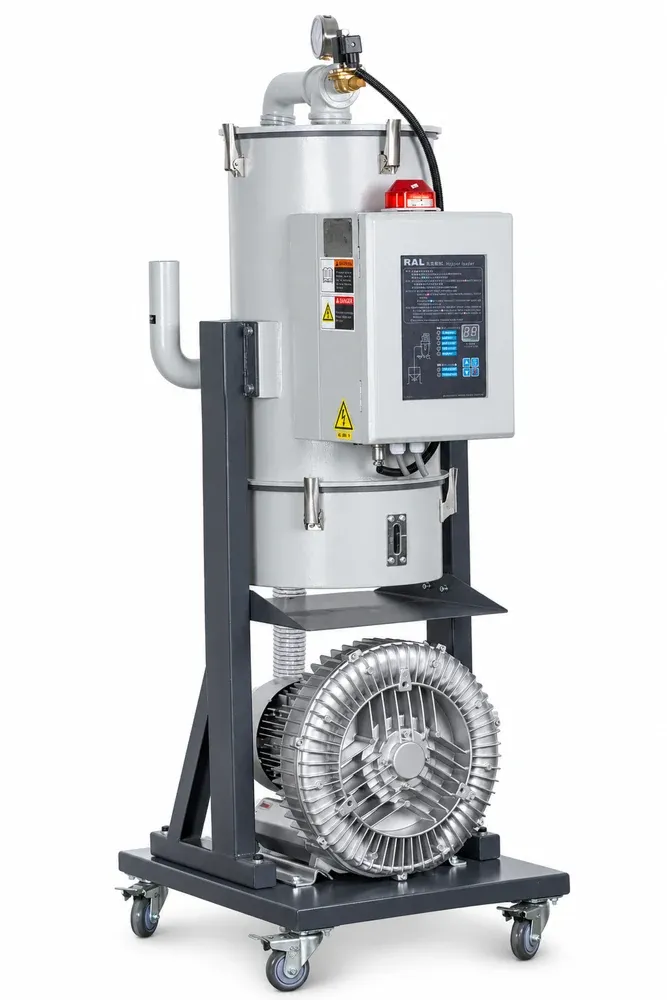
RAL-703 / RAL-903
Separate vacuum-loading arrangements for pellet transfer where material demand and the conveying route need to be reviewed together.
View details for RAL-703 / RAL-903 High-demand pellet loaders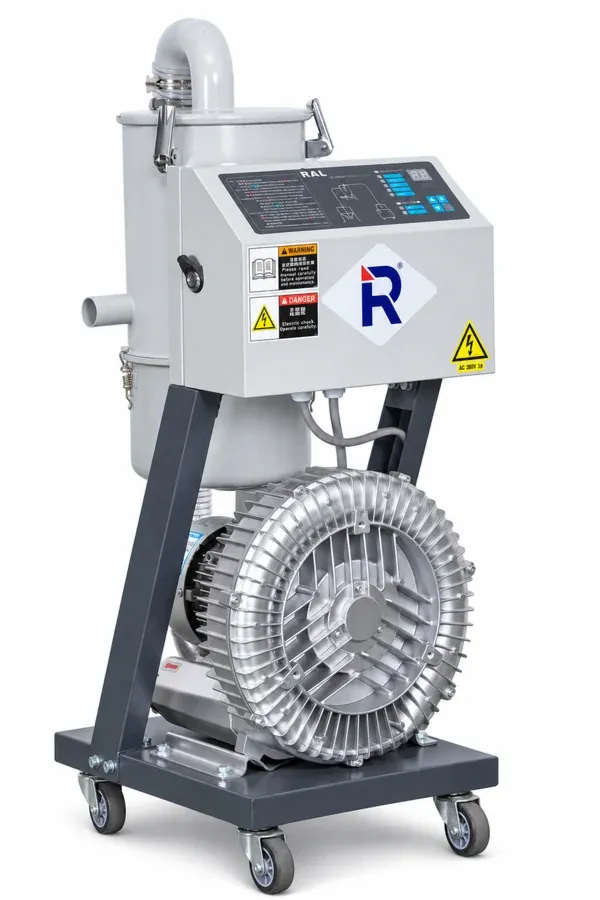
RAL-K / RAL-KU
Review separate vacuum-loading arrangements with the exact K or KU model suffix and receiving-hopper layout.
View details for RAL-K / RAL-KU Separate vacuum loaders: K and KU references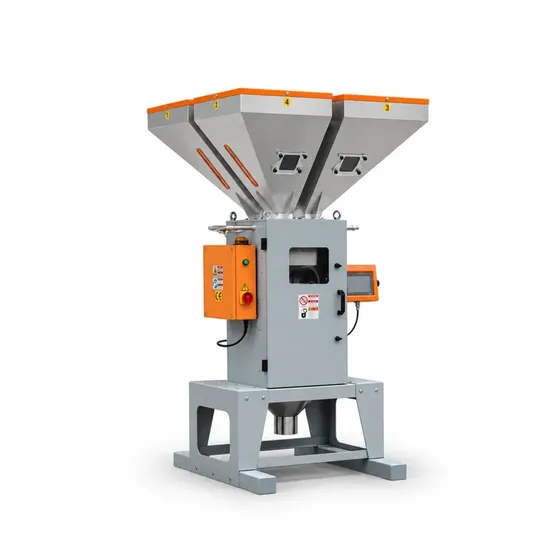
GB series
Weigh material components before batch mixing for a defined plastics-processing recipe.
View details for GB series Gravimetric batch blender for plastic materials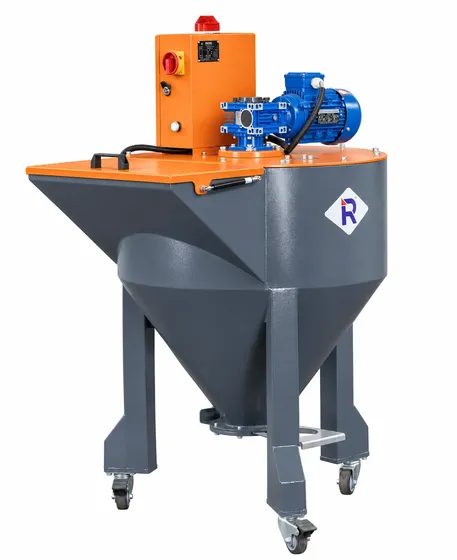
RSM / RSM-H
Mix plastic pellets and masterbatch with a vertical screw arrangement; review heated configurations separately.
View details for RSM / RSM-H Vertical screw mixer for plastic pellets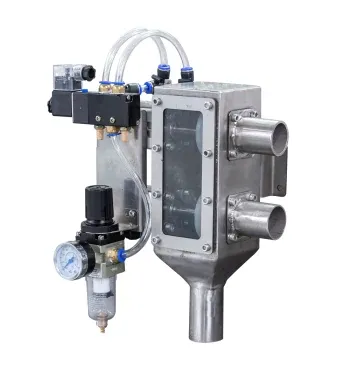
RPV
Introduce virgin material and regrind into a vacuum-loading route using a proportioning-valve arrangement.
View details for RPV Virgin and regrind proportioning valve
Identify replacement blades, mold clamps, storage silos and chiller evaporators by the equipment and connection they need to fit.
View details for Plastic machinery parts and storage equipment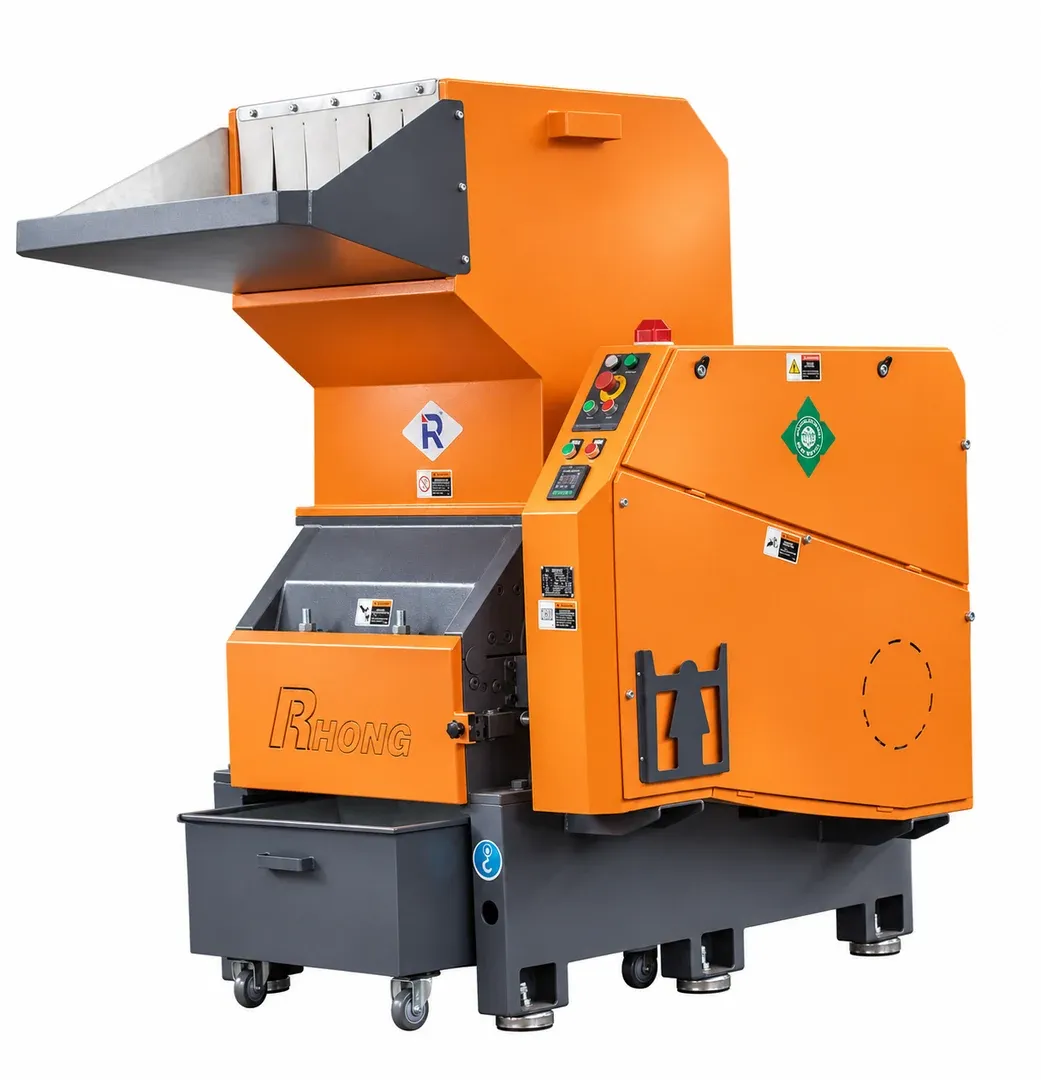
RG-26G / RG-36G
Central granulation of molding rejects and extrusion scrap, with a split cutting chamber and outboard bearings.
View details for RG-26G / RG-36G Central plastic granulator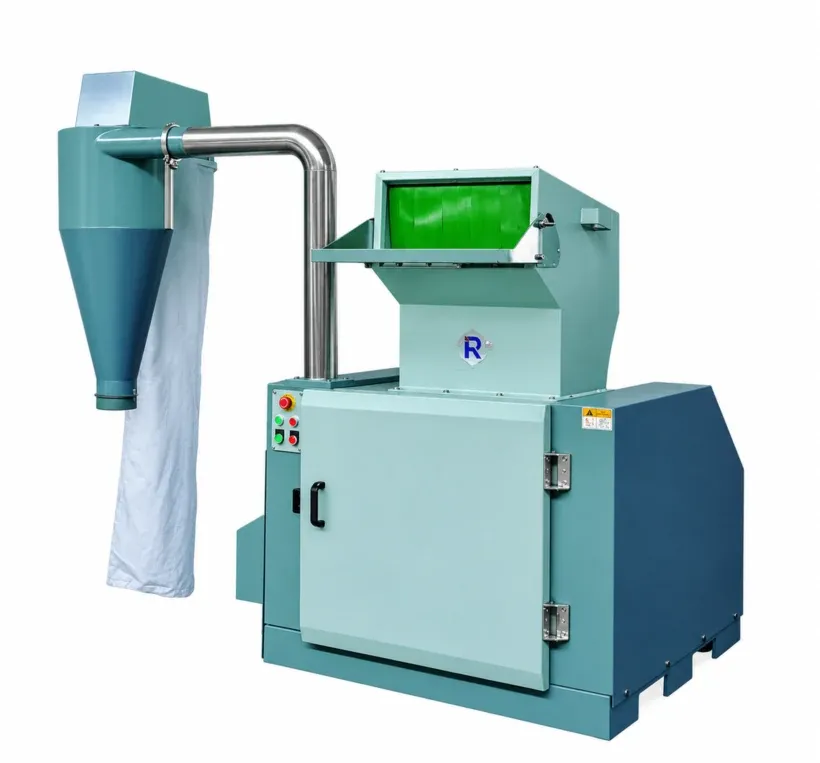
RG-26QE / RG-36QE
A low-noise central granulator layout for molding scrap, with low feeding height and access to the cutterhouse.
View details for RG-26QE / RG-36QE Quiet central plastic granulator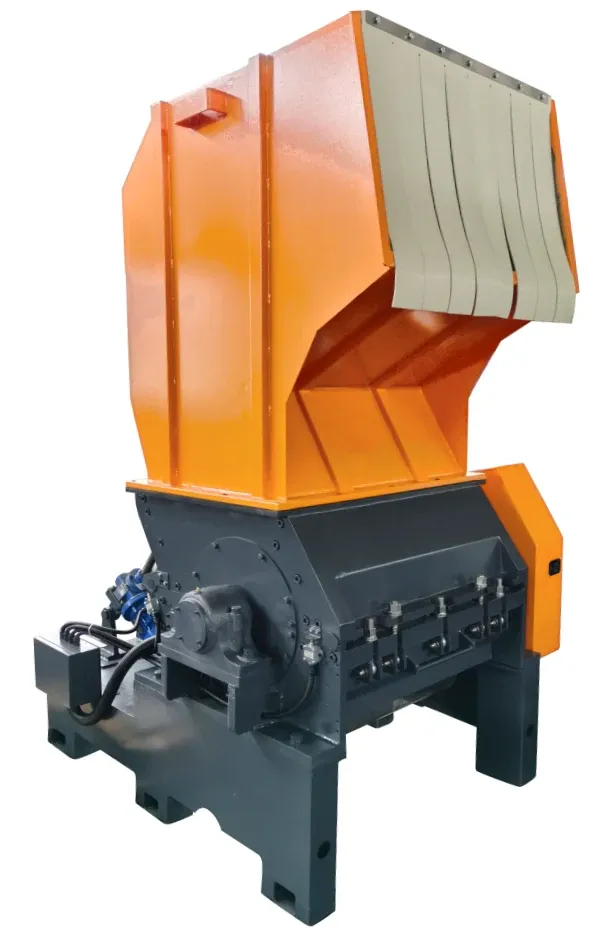
RG-46G / RG-56G
Heavy-duty central granulation with a split chamber, outboard bearings and rotor configurations for bulky plastic waste.
View details for RG-46G / RG-56G Heavy-duty central plastic granulator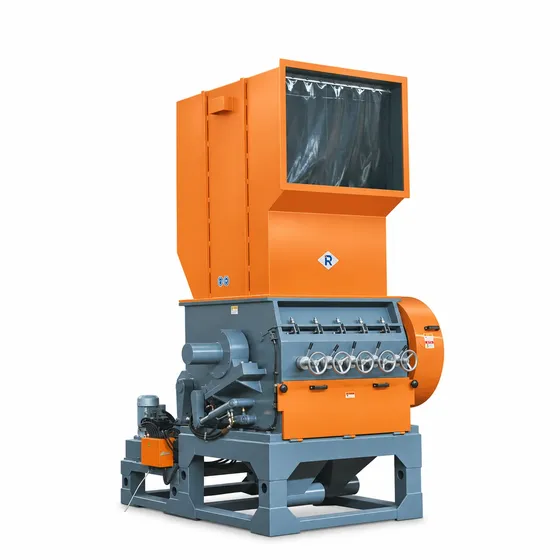
RG-66S
A large granulator layout for bulky plastic parts, with a split body and access to blades and screens.
View details for RG-66S Large plastic granulator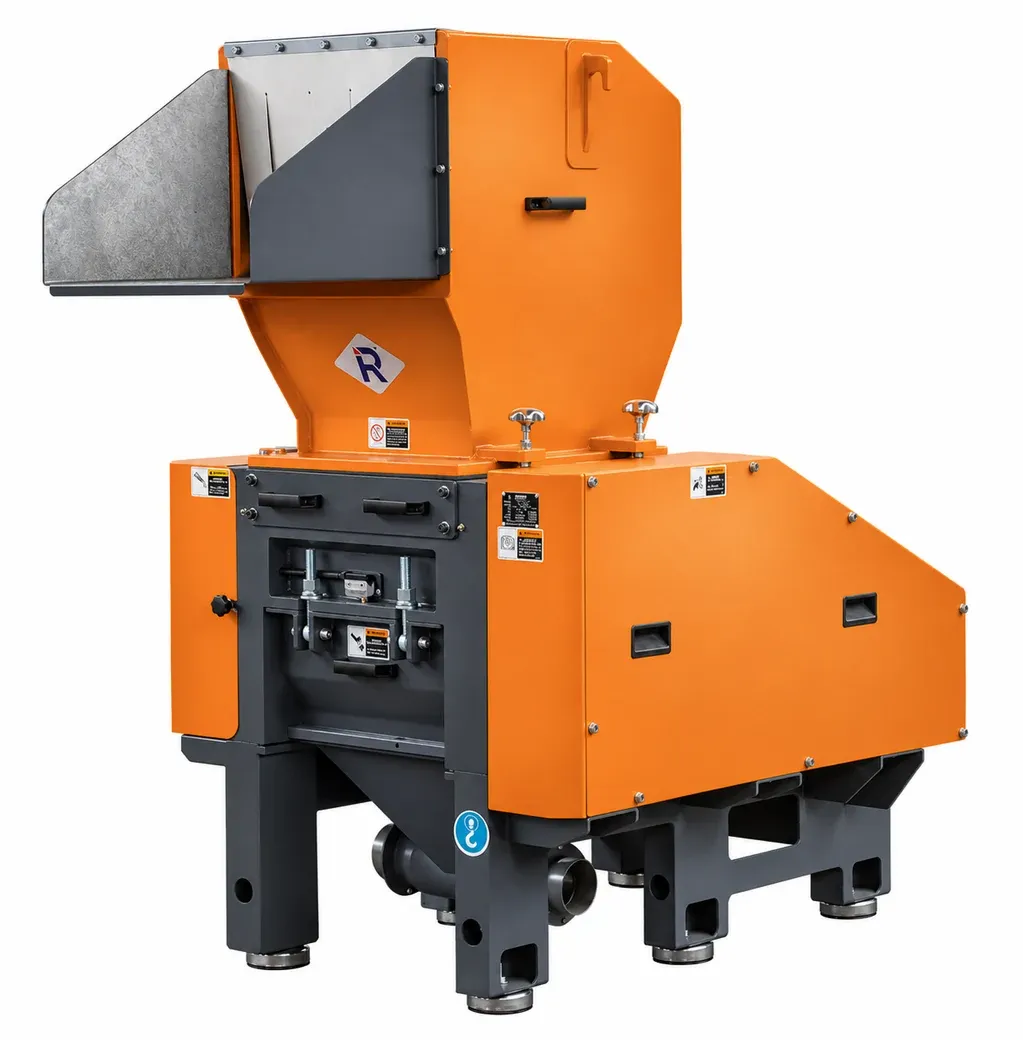
RG-3640K / RG-4060K / RG-5680K
Granulation of collected plastic film, bags and sheet offcuts using a film-specific cutting configuration.
View details for RG-3640K / RG-4060K / RG-5680K Plastic film and bag granulator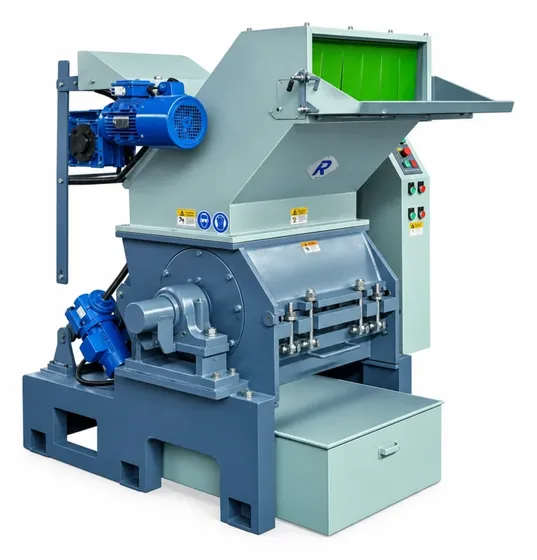
RG-26GX / RG-36GX / RG-46GX
A roller-fed cutting arrangement for continuous film and sheet, with separate small and enclosed catalogue configurations.
View details for RG-26GX / RG-36GX / RG-46GX Roll-feed plastic film and sheet granulator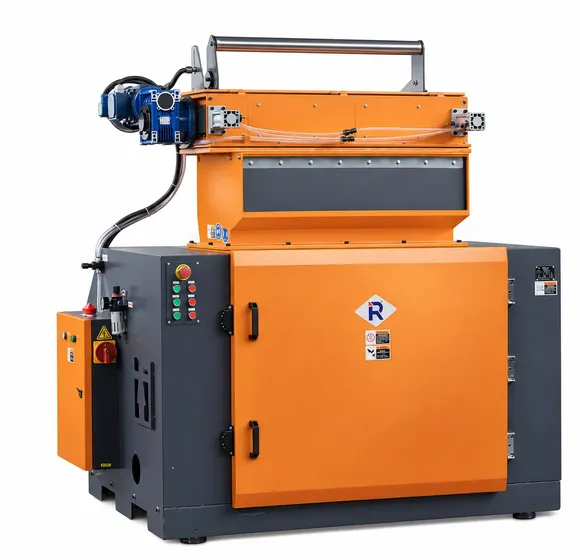
RG-2190QX / RG-21100QX
Inline granulation of thermoforming skeletons and sheet offcuts, with an integrated roll-feed route and enclosed machine body.
View details for RG-2190QX / RG-21100QX Thermoforming sheet granulator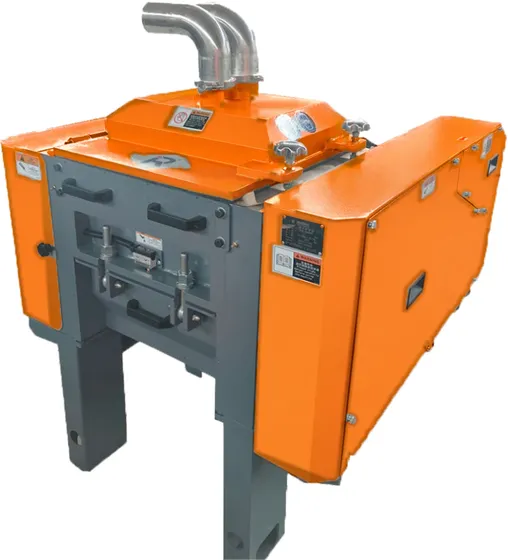
RG-3640X / RG-4060X
Inline cutting of continuous soft film edge strips, using suction inlets and a planned return route to extrusion.
View details for RG-3640X / RG-4060X Air-suction film edge-trim granulator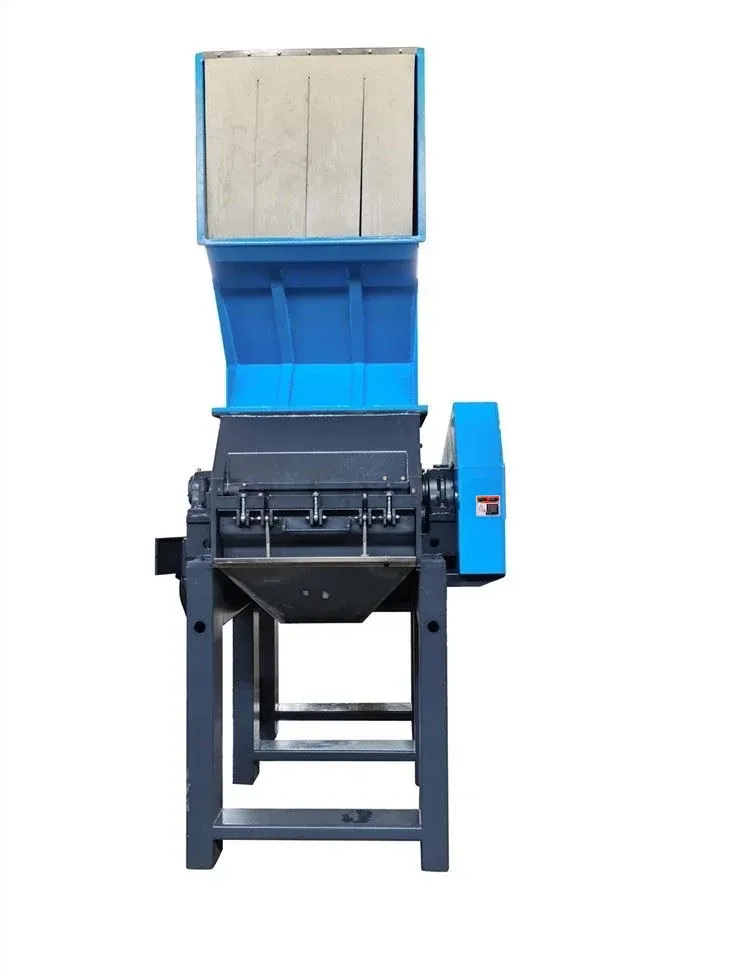
RG-4680GT / RG-56ET
Granulation configurations with water cooling described at the cutting area, for separately specified recovered material streams.
View details for RG-4680GT / RG-56ET Water-cooled cutting-chamber plastic granulator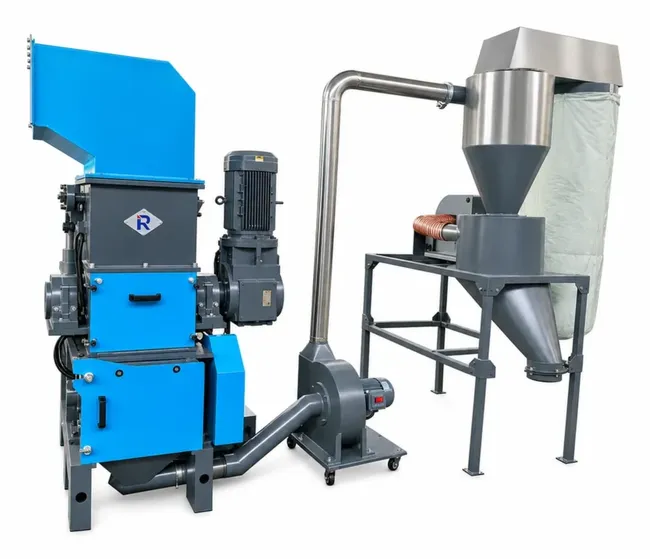
RG-2240SSG / RG-2260SSG
A combined shredder and granulator for plastic lumps and production scrap, with two size-reduction stages in one machine.
View details for RG-2240SSG / RG-2260SSG Combined plastic shredder and granulator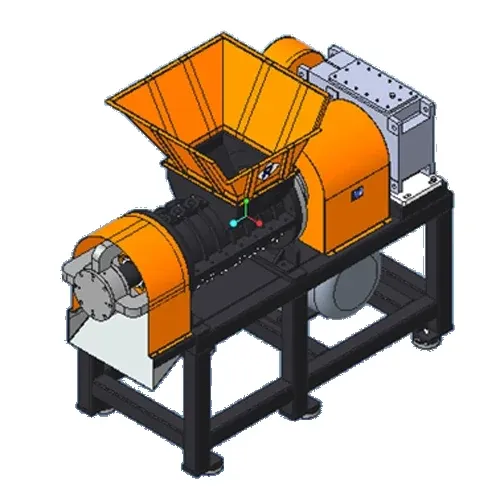
RG-350L
A low-speed shredding arrangement described for flexible and fibrous waste, with feeding reviewed around wrapping behaviour.
View details for RG-350L Spiral shredder for flexible waste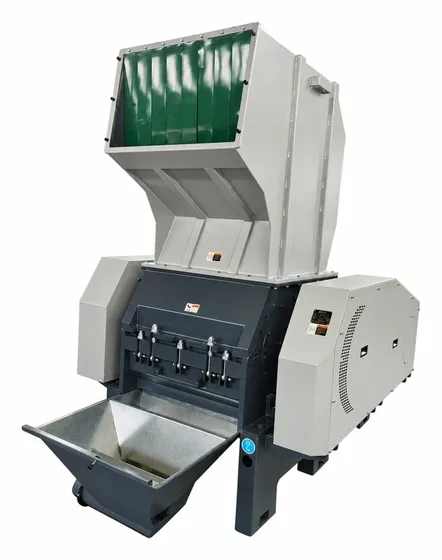
RG-56120G7
A published granulator reference for aluminium–plastic composite-panel scrap. Material suitability and the cutting configuration need review before quotation.
View details for RG-56120G7 Granulator for composite-panel scrap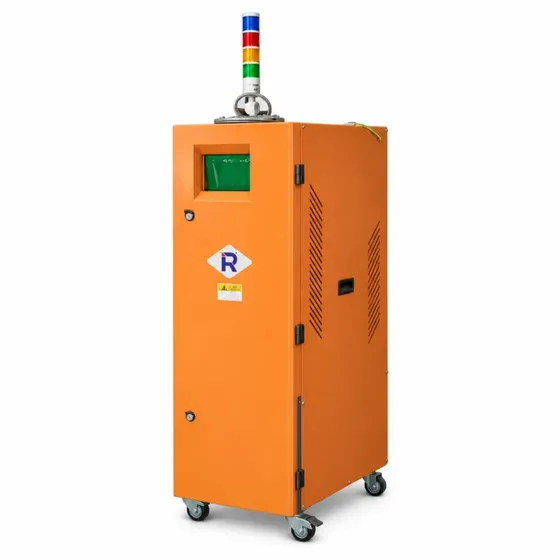
RG-1620SS
An enclosed bottle size-reduction unit shown in the RHONG catalogue. Review the incoming containers, collection arrangements and operating requirements.
View details for RG-1620SS Bottle granulatorUse the same material, output requirement and operating conditions when comparing machines. Start with the scrap that will actually reach the feed opening.
Read guideChoose a pellet loader by reviewing the installation layout, receiving points, material route and operating demand together.
Read guideStart with the material grade and its supplier's drying instructions. Then match the drying arrangement to material demand and the route to the processing machine.
Read guideAir-cooled and water-cooled chillers differ on the condenser side. Compare the site requirements and complete supply scope before selecting a model.
Read guideStart with where each ingredient is measured and where the blend is prepared. Weight-based batch blending, volumetric process addition and separately measured batch mixing solve d…
Read guideThe form of the incoming film determines the feeding discussion. Separate collected offcuts, continuous edge trim and a roller-fed web before comparing granulators.
Read guideA screenless granulator and a screened granulator can both recover injection molding sprues beside the press. Compare the cutting arrangement against the runner shape, the way it …
Read guideThe largest lump and the required regrind matter more than a machine label. Compare direct granulation with a shredding stage before choosing a route for solid purgings.
Read guideChoose water when the controller and the entire mold circuit are rated for the fluid temperature and pressure the job requires. If the water proposal exceeds a mold, hose, fitting…
Read guideCan you granulate HDPE drums whole? Compare three routes by feed interruptions and kilograms of usable regrind per hour, including preparation.
Read guideStart with actual hourly resin consumption and the grade-specific drying time, then check whether the hopper’s usable material volume and operating conditions support your product…
Read guideA regrind percentage is useful only when the permitted application and the mass used as its denominator are clear. Define both before setting a recipe or comparing equipment.
Read guideWhen buying a screened blade granulator, compare how its knives will be accessed, maintained and identified alongside the machine’s cutting configuration.
Read guideCompare cleaning access across the actual material contact path, then record each stage of a colour or material changeover through quality release.
Read guideA chiller quotation may list cooling capacity and electrical input in kW alongside refrigeration tons. Read the units and rating conditions together before comparing offers.
Read guideA cutting chamber dimension is not a feed-opening dimension. To judge whether a whole scrap part suits a plastic granulator, follow its route to the inlet, through the feed path a…
Read guideKeep a suitable runner stream beside the press when its feeding rhythm, material identity and regrind destination fit the molding operation. Consider a central station for separat…
Read guideA cleaner stream can still cost you good regrind. Compare the feed, clean output and rejects from one batch, then record both results on a printable trial sheet.
Read guideKeep the loader if the manufacturer confirms its exact configuration can handle your flakes. A trial on the intended route also needs to show that the blender has enough material …
Read guideA resin dryer dew point describes the sampled drying air. A resin moisture test describes a material sample. Both can inform acceptance, but they answer different questions.
Read guideRotor body, knife arrangement and cutting geometry describe different parts of a granulator configuration. Learn how to compare them on the same material and operating basis.
Read guideMetal protection depends on where the device sits and what it does. Compare upstream and downstream goals, magnetic capture, detection and the response to a signal.
Read guideThe granulator’s outlet is only one point in the material route. Define where regrind is collected, whether it must be transferred and what happens at the receiving point before c…
Read guideTwo plastic granulators cannot be ranked by their dB(A) figures until you know what was measured. Identify the sound quantity, operating conditions and equipment included, then co…
Read guideA granulator’s motor kW rating does not tell you its whole-machine electricity demand or the energy a batch will use. Read the motor rating, electrical supply requirements and mea…
Read guideLong, narrow flakes can pass end-first through a 6 mm round granulator screen hole even if they are longer than 6 mm. Ask for a trial with representative scrap. Record the size fr…
Read guideA plastic granulator cuts solid scrap into regrind. A pelletizer cuts material after melt processing. Specify the required output and the equipment around each cutting stage befor…
Read guideCheck what was processed, what was collected and how time was measured before comparing two plastic granulator capacity figures.
Read guideSend your requirements or questions to RHONG.